Signs Your Brake Pads Need Replacing and How to Check
Brake pads are a fundamental component of a vehicle’s braking system. Over time, the friction material on the pads wears down through normal use, reducing their ability to generate the necessary stopping force. Recognizing the early indicators of wear can help drivers address the condition before it affects braking performance. This article outlines common signs that brake pads may be approaching the end of their service life and describes methods for inspecting them directly.
Understanding how to check brake pads is a practical skill that can contribute to overall vehicle maintenance. While professional inspection is always an option, a basic visual and auditory check can provide useful information. The following sections cover the typical warning signs, from sounds to physical measurements, along with important considerations for performing these checks safely.
Audible Signs of Wear
One of the most common indicators of worn brake pads is a high-pitched squealing or squeaking noise when the brakes are applied. Many brake pads are equipped with a built-in wear indicator — a small metal tab that contacts the rotor once the friction material has worn to a certain level. This contact produces a distinct sound designed to alert the driver. The noise may occur consistently or only at certain speeds or temperatures.
In some cases, a grinding or growling sound can be heard. This often indicates that the friction material has been completely worn away, and the metal backing plate is contacting the rotor directly. Such a situation can lead to damage to the rotor and other brake components. Grinding noises typically warrant immediate attention and a thorough inspection by a qualified technician. It is worth noting that brake noise can also arise from other factors, such as moisture, debris, or the composition of the pad material itself, so sound alone should not be the sole basis for a replacement decision.
Vibrations and Changes in Pedal Feel
Another common symptom involves vibrations felt through the brake pedal, steering wheel, or the vehicle’s floor when braking. This can occur if the brake pads have worn unevenly or if the rotor surface has become warped due to excessive heat or prolonged wear. Vibration may also be felt during light or moderate braking and tends to become more noticeable as the condition progresses.
Changes in the brake pedal feel can also point to pad wear. A pedal that feels softer than usual, or that sinks closer to the floor before the brakes engage, may indicate that the brake fluid is low or that the pads have thinned significantly. Conversely, a pedal that feels unusually hard or requires more pressure could suggest issues with the braking system’s hydraulics or the condition of the pads. These sensations are subjective and can vary between vehicles, so comparing current pedal behavior to the typical feel can be helpful.
Visual Inspection Methods
Visually inspecting brake pads is a straightforward process that can be performed with the vehicle on a level surface and, if necessary, with the wheel removed. Many modern vehicles allow a partial view of the outer brake pad through the openings in the wheel rim. By looking through the spokes, it is often possible to see the pad lining pressed against the rotor. A general rule of thumb is that if the friction material is less than about a quarter of an inch (roughly 6 millimeters) thick, the pads may be nearing the end of their useful life.
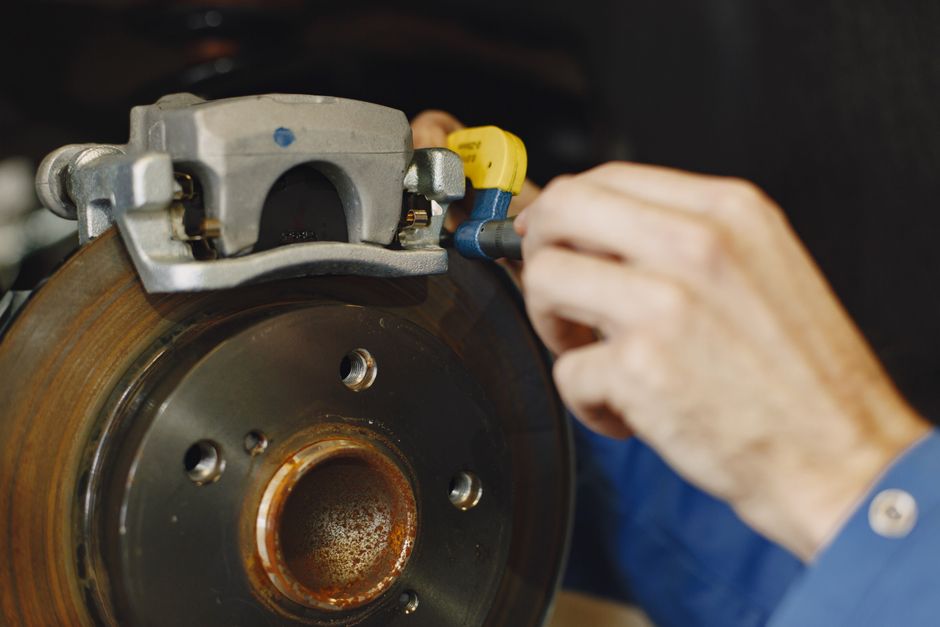
For a more thorough examination, removing the wheel provides full access to the brake caliper and pads. The inner pad, which is not always visible from the outside, can wear at a different rate than the outer pad. Therefore, checking both sides is important. Additionally, the condition of the rotor surface can be observed during this inspection. Scoring, grooves, or discoloration may indicate uneven wear or overheating. It is essential to ensure that the vehicle is securely supported on jack stands before any work is performed, and that the engine is off and the parking brake is engaged.
Measurement Techniques
Measuring brake pad thickness provides a more precise assessment of wear. A simple tool such as a brake pad thickness gauge or a caliper can be used for this purpose. The measurement is taken from the friction material only, not including the metal backing plate. Many vehicle manufacturers provide minimum thickness specifications in the owner’s manual. When the pad material approaches or falls below that specified value, replacement is typically considered.
In addition to thickness, the wear pattern across the pad surface can offer clues about other potential issues. For example, tapered wear — where one end of the pad is thinner than the other — may indicate a sticking caliper slide pin or a misaligned brake caliper. Similarly, glazing, which appears as a shiny or hardened surface on the pad, can result from excessive heat or improper bedding-in of new pads. Identifying such patterns during measurement can guide further inspection of the braking system. CarWise maintenance guides often emphasize that measuring both inner and outer pads on each wheel provides a more complete picture of the system’s condition.
Safety Precautions and When to Seek Professional Help
Performing any inspection or measurement on braking components involves certain risks. The vehicle must be on a stable, level surface, and proper lifting and support equipment should be used. Brake components can become very hot after driving, so allowing them to cool down before handling is necessary. Dust and debris from brake pads, especially older ones, may contain materials that should not be inhaled. Wearing a dust mask and washing hands after contact are recommended practices.
Not every sign of pad wear requires immediate replacement, but consistent monitoring can help maintain reliable braking performance. If the pads have worn to the point where the backing plate contacts the rotor, or if there are signs of fluid leaks, unusual noises, or persistent vibrations, consulting a professional mechanic is advisable. Brake systems involve multiple interconnected parts — including rotors, calipers, and hydraulic lines — and a comprehensive inspection may reveal issues that are not apparent through a basic visual check. Professional guidance ensures that any repairs or replacements are carried out according to the vehicle’s specifications and safety standards.